
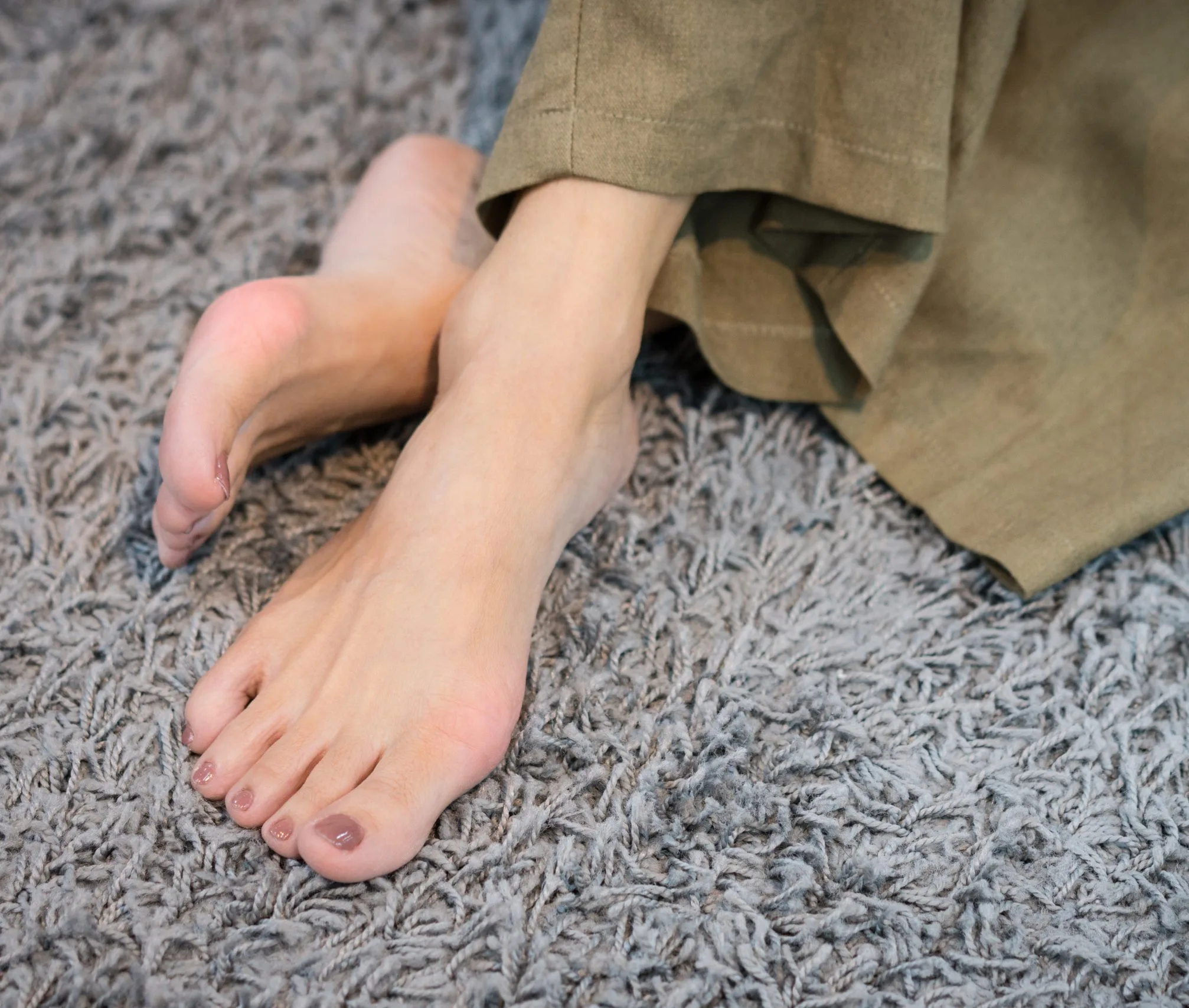
Most people recovering from hammertoe surgery walk in a protective post-op shoe within a day or two, return to roomy everyday shoes around six to eight weeks, and feel close to normal by the three-month mark – with mild swelling that can linger longer. This recovery guide walks you through what each stage actually feels like, what you need to do at home, and how our team in Portland can help you recover faster.
Hammertoe correction is an outpatient procedure. You arrive, the toe is corrected, and you go home the same day. Your foot will be wrapped in a bulky bandage, and you will be fitted with a post-op shoe or boot – a stiff, flat surgical shoe that keeps pressure off the front of the foot and protects the surgical site.
Local anesthetic usually keeps the toe numb for several hours. Have your pain medication ready before discomfort becomes significant, plan for someone to drive you home, and plan to spend that first afternoon and evening on the couch with your foot up. You will leave with detailed written instructions, a follow-up appointment, and a direct way to reach the office.
Once the numbing wears off, expect a throbbing or aching sensation in the toe. Most patients describe it as manageable and say it improves noticeably after the first 48 to 72 hours. Other normal experiences include:
Swelling in the toe, the ball of the foot, and sometimes the top of the foot
Bruising that may spread toward the arch or ankle
A tight, “full” feeling under the bandage
Occasional zings or tingling as nerves settle down
Stiffness in the toe that is expected at this stage
A small amount of bleeding or drainage on the dressing in the first day or two
Pain that steadily improves is normal. Pain that suddenly worsens after a few good days is worth a phone call.
The first 72 hours are about swelling control, nothing else. Your job is to be boring. Blood flow to the toe increases dramatically when your foot is below your heart, which increases throbbing and pressure under the bandage. Arrange help with meals, childcare, and household chores in advance.
Keep the surgical dressing completely dry and intact – do not peek, loosen, or rewrap it
Wear the post-op shoe any time your foot touches the floor, even for a two-step trip to the bathroom
Take pain medication on schedule rather than waiting for pain to spike
Limit walking to bathroom trips and meals
Sponge bathe or use a waterproof cast cover for showering
Elevate the foot above heart level – lying down with the foot propped on two or three pillows and the whole leg supported, not sitting in a recliner with the leg out straight. Aim for elevation roughly 50 minutes out of every hour during these first days.
Apply ice wrapped in a thin towel to the ankle or shin above the dressing – never directly on the toe, skin, or bandage – for 15 to 20 minutes at a time, every hour or two while awake. An ice pack is included in our post-op recovery packages for exactly this reason.
Do not change your dressing unless your podiatrist specifically tells you to. When you are cleared to care for the incision at home, the routine is simple: clean hands, gentle cleaning as instructed, a dry sterile dressing, and no soaking. No baths, hot tubs, pools, or lakes until the incisions are fully closed and you have been cleared.
With minimally invasive techniques, the incisions are very small, which typically means less to manage – but small incisions still need to stay clean and dry.
Most hammertoe patients are allowed to bear weight on the heel and outside of the foot right away in the post-op shoe. Walk short distances, deliberately, on flat surfaces. Use crutches or a walker for stability if you feel unsteady, do not push through sharp pain, and do not go barefoot at home – a stubbed toe in week one is a genuine setback.
Your first post-op visit usually happens within the first one to two weeks. Your podiatrist will inspect the incision, change the dressing, remove stitches if necessary, check toe alignment, and possibly take an X-ray if bone work was done.
For patients who choose one of our post-op recovery packages, laser treatment is often performed at these appointments. Laser therapy supports comfort and tissue recovery, and red light panels for home use are included in the advanced package. These are optional add-ons, not requirements.
By week three, most patients are walking more comfortably in the surgical shoe and doing normal household activities. Swelling is still very much present, especially at the end of the day. Gentle range-of-motion work on the toe may begin once your podiatrist clears it – this helps prevent long-term stiffness.
Expect to still be avoiding running, jumping, prolonged standing, ladders, uneven ground, and any shoe other than the one you were given.
If a temporary pin or K-wire was used, it typically comes out between weeks three and six, right in the office. Most patients find it takes seconds and describe more pressure than pain – no anesthesia is usually needed. The small opening closes on its own with a simple dressing.
After pin removal, the toe often feels stiff and slightly sore for a few days. That is normal, and gentle motion exercises usually begin shortly after.
Around six to eight weeks, most patients transition out of the post-op shoe. Start with a wide, soft athletic sneaker with a deep toe box – not a dress shoe, not a narrow flat. Wear it a few hours at a time and build up; it may be months before every shoe in your closet feels comfortable.
Footwear is also how you protect your result long term. Pointed, tight, or high-heeled shoes contributed to the deformity for many patients to begin with, and should be avoided for several months. Orthotics help redistribute pressure across the ball of the foot, and a pair of over-the-counter orthotics is included in our post-op packages.
Residual swelling is the single most under-discussed part of foot surgery. Mild puffiness at the end of the day – or after increased activity – can persist for three to six months, and occasionally up to a year, particularly with any bone procedure. It is normal, and it does resolve. Compression sleeves, continued evening elevation, and patience are the answer.
Desk work: often within a few days to two weeks, with the foot elevated when possible
Standing or walking jobs: commonly four to eight weeks, sometimes longer, depending on the procedure
Driving: only after you are out of the surgical shoe on the driving foot and off narcotic pain medication
Low-impact exercise (stationary bike, swimming, upper body): often around six weeks
Running, jumping, hiking, court sports: typically three months or more, once bone is fully healed and you have clearance
Our team may discuss our Basic or Advanced Post-op Recovery Packages, designed to enhance your body’s natural healing. These may include laser therapy, steroid shots, or regenerative medicine, plus an ice pack, orthotics, and home red light panels.
Set up your home before surgery: a nest with pillows, charger, water, and remote within reach. Keep floors clear of cords and rugs. Use a walker, crutches, or a knee scooter if stairs are involved. Move briefly every hour or so while awake to keep circulation going, then get the foot back up. Doing too much, too soon can compromise the surgical repair.
Healing tissue needs protein – aim for a good protein source at every meal. Add vitamin C, calcium, and vitamin D for bone repair, and drink plenty of water. Fiber matters more than people expect, since pain medication commonly causes constipation. Avoid alcohol while on prescription pain medication, and avoid nicotine entirely.
Take anti-inflammatory and pain medications exactly as prescribed and taper as soon as comfort allows – most patients move to over-the-counter options within several days. Finish any antibiotic course completely. Never combine medications without checking, and confirm with your podiatrist before restarting blood thinners or supplements you paused for surgery.
Keep it dry, keep it covered, keep your hands clean, and leave it alone. Do not apply ointments, oils, or scar creams until you are told the incision is fully healed. Once healed, gentle scar massage and sun protection help the scar fade.
Call our office promptly if you notice:
Fever of 101°F or higher (or over 101.5°F), or chills
Increasing redness, warmth, or red streaking spreading from the incision
Excessive swelling around the surgical site
Drainage that becomes thick, cloudy, foul-smelling, or purulent
Severe or escalating pain not controlled by medication
A dressing that becomes soaked, falls off, or gets wet
A toe that turns pale, dusky, blue, or goes persistently numb
A pin that shifts, loosens, or catches on something
New calf pain, swelling, chest pain, or shortness of breath
Never wait it out over a weekend because you do not want to bother anyone. Early phone calls are easy; late ones are not.
This hammertoe surgery recovery guide highlights that patience, elevation, and following instructions are key to a smooth recovery. Keep your dressing dry, use the post-op shoe as directed, and transition gradually back to normal activity for long-term results.

About the Author
Daniel McManus, DPM
Check Your Insurance Coverage
Testimonials
I can't recommend them enough!

August 8, 2026