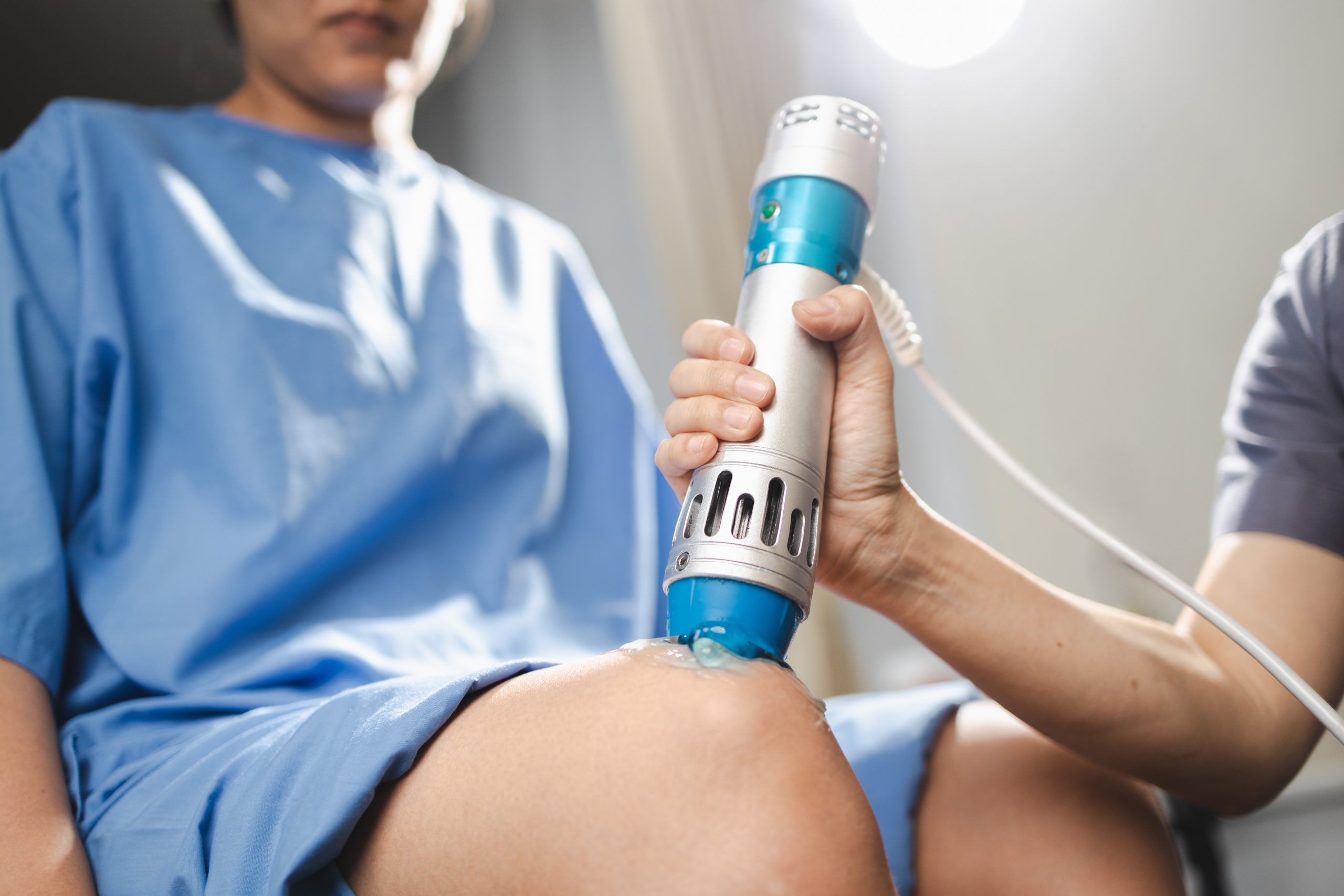
Yes, you can exercise after shockwave therapy — but timing matters. Most patients need to avoid high-impact activity for at least 24 to 48 hours after treatment, and some conditions require a longer rest period before returning to full activity. Radial Pulse Shockwave Therapy is an FDA-cleared, non-invasive treatment used at Elite Foot and Ankle to stimulate healing in conditions like plantar fasciitis, Achilles tendinitis, and other soft tissue injuries. Because the therapy works by triggering your body’s natural repair response, jumping back into intense exercise too quickly can interfere with that healing process and delay your results.
At Elite Foot and Ankle, shockwave therapy is often paired with laser therapy for soft tissue and tendonitis issues, giving patients a comprehensive approach to pain relief and recovery. The podiatrists at Elite Foot and Ankle — Trevor Haynes, Podiatrist, Dr. Tyler Belnap, Podiatrist, Dr. Daniel McManus, Podiatrist, and Dr. Ravneet Sandhu, Podiatrist — guide each patient through a tailored post-treatment plan that includes specific exercise recommendations based on their condition and treatment goals.
Exercise after shockwave therapy is safe when you follow the right timeline and choose appropriate activities. Understanding how your body responds to treatment — and giving the healing process enough time to take hold — is key to getting the results.
Right after a shockwave therapy session, the treated tissues are in an active state of repair. The radial pulse waves delivered during your treatment create controlled microtrauma to stimulate blood flow, cell regeneration, and the healing cascade your body needs to repair damaged tendons, fascia, and ligaments. This pro-inflammatory response is intentional — it’s how the therapy works.
In the first 24 to 48 hours after your appointment at one of our offices in Canby, Beaverton, Lake Oswego, or Happy Valley, your primary goal is to rest the treated area. Normal, light daily activities like walking around your home or office are generally fine, but you should avoid long walks, prolonged standing, and any form of structured exercise. Many patients feel surprisingly good after treatment and assume they can pick up where they left off — but feeling better in the moment doesn’t mean the tissue has finished healing. However, returning to vigorous exercise before your tissues have responded to shockwave therapy can lead to:
Increased inflammation beyond what’s beneficial for healing, leading to more pain and swelling than is typical
Delayed recovery that extends the total number of treatments needed and slows your overall timeline
Re-aggravation of the original injury, potentially worsening conditions like heel pain
Giving those mechanisms time to work is essential.
While the 24–48 hour rule is a good general guideline, the exact time you need to wait depends on several factors. Your podiatrist at Elite Foot and Ankle will give you specific instructions based on your unique situation.
A phased approach is the safest way to reintroduce activity. For most patients, the general post-treatment timeline looks like this:
At Elite Foot and Ankle, shockwave therapy is typically delivered over a series of six sessions. Because each session continues building on the healing from the previous one, your exercise recommendations may evolve throughout your treatment course.
Not everyone follows the same timeline. Several factors affect how quickly you can safely return to exercise:
The condition being treated. Recovery from chronic heel pain (plantar fasciitis) may have a different timeline than recovery from Achilles tendinitis, sesamoiditis, or a stress fracture.
Severity of the injury. A mild, recent injury will likely heal faster than a severe, longstanding chronic condition.
Whether shockwave is combined with other therapies. At Elite Foot and Ankle, shockwave therapy is routinely coupled with MLS laser therapy for tendonitis and soft tissue issues. Comprehensive treatment packages like the Heel-Blaster Package integrate multiple modalities for optimal healing, and your podiatrist may adjust recovery recommendations accordingly.
Your overall health and activity level. Age, general fitness, and any underlying health issues affect healing speed. A recreational walker and a competitive runner will receive different guidance.
How your body responds to treatment. Some patients experience mild soreness for a day or two, while others feel ready to move sooner.
Once you get the green light from your provider to begin moving again, it’s essential to choose the right kind of exercise. The focus should be on activities that maintain cardiovascular health and mobility without stressing the healing tissues.
Low-impact activities place minimal stress on your feet and ankles. These are generally safe to resume within 48 to 72 hours after treatment:
Swimming or water walking
Stationary cycling
Elliptical machine at low resistance
Upper body strength training (seated)
Gentle yoga (avoiding prolonged standing poses)
High-impact activities generate significant force through the feet, ankles, and lower legs. These should be avoided until your podiatrist clears you:
Running or jogging
Jumping exercises (box jumps, jump rope, plyometrics)
Court sports (basketball, tennis, pickleball)
Hiking on uneven terrain
High-intensity interval training (HIIT) involving the lower body
The distinction matters because shockwave therapy is most commonly used for conditions that affect weight-bearing structures. Overloading those structures too soon undermines the entire purpose of treatment.
During your shockwave therapy series at Elite Foot and Ankle, these exercises tend to support — rather than hinder — your recovery:
Swimming and water aerobics. The buoyancy of water supports your body weight, allowing you to exercise with virtually no impact on your feet and ankles.
Stationary cycling. Start with no resistance and focus on smooth, fluid motion to maintain cardiovascular fitness.
Calf stretches. Gentle calf stretching maintains flexibility in the Achilles tendon and plantar fascia without adding impact stress.
Towel scrunches. Placing a towel on the floor and scrunching it with your toes helps strengthen the intrinsic muscles of the foot.
Ankle circles and alphabet drills. Moving your ankle through its full range of motion helps maintain mobility and reduce stiffness.
Seated resistance band exercises. Using a resistance band to work the muscles around your ankle can maintain strength without weight-bearing impact.
Yoga or Pilates. Modify poses to avoid putting weight or strain on the treated area, and inform your instructor about your recovery process.
If you’re dealing with chronic foot and ankle pain, these low-stress movements can help keep you active without compromising your treatment progress.
Knowing what not to do is just as important as knowing what to do. Adhering to these restrictions helps protect the treated area and keeps the healing process on track.
During the first 48 hours after each shockwave session — and potentially longer, depending on your condition — you should strictly avoid:
Running, jogging, or sprinting on any surface, especially pavement and concrete
Jumping, skipping, and explosive or plyometric exercises
Sports that require quick directional changes, such as soccer, tennis, or basketball
Heavy lower-body weightlifting (squats, deadlifts, leg presses)
Hiking on uneven or steep terrain
Prolonged standing, which puts continuous load on the plantar fascia and Achilles tendon
Walking barefoot on hard floors — without cushioning, even regular walking can create unnecessary strain on treated structures
Do:
Listen to your body — pain is a signal to stop
Follow the specific activity plan provided by your Elite Foot and Ankle podiatrist
Wear supportive shoes with adequate cushioning whenever you’re on your feet
Use ice for 10 to 15 minutes after treatment if you experience mild soreness (check with your provider first)
Keep all scheduled follow-up appointments to track your progress
Communicate with your provider if something doesn’t feel right
Don’t:
Take anti-inflammatory medications (like ibuprofen or naproxen) after treatment unless specifically directed — these can counteract the beneficial inflammatory response triggered by shockwave therapy
Push through pain thinking it will “work itself out”
Skip sessions in your treatment series, as consistency is key to results
Compare your recovery to someone else’s — every patient and every injury is unique
Getting back to your full activity level after shockwave therapy doesn’t have to be complicated. These practical strategies help you transition safely:
Start low and go slow. Begin with short durations of low-impact activity (e.g., a 10-minute walk) and see how your body feels the next day. If there’s no increase in pain, gradually increase duration or intensity.
Follow the 10% rule. When increasing your activity level, add no more than 10% additional volume or intensity per week. This gradual progression gives tissues time to adapt.
Always warm up. Spend 5–10 minutes performing gentle dynamic stretches and light aerobic activity to increase blood flow and prepare muscles and tendons for work.
Prioritize form. As you return to exercise, focus on maintaining proper technique. Poor form places undue stress on healing tissues.
Cool down and stretch. After every workout, spend a few minutes cooling down with a slow walk and gentle, static stretching as approved by your provider.
Invest in proper footwear. Shoes with arch support, heel cushioning, and a stable sole make a meaningful difference during recovery. Your podiatrist can recommend specific options based on your foot type.
Cross-train. Incorporate a variety of low-impact activities into your weekly routine to maintain overall fitness while preventing overuse of the healing foot or ankle.
Consider supportive therapies. Elite Foot and Ankle offers red light therapy and regenerative medicine treatments that can complement shockwave therapy and support faster recovery.
Use a night splint if recommended. For conditions like plantar fasciitis, a night splint maintains a gentle stretch on the fascia while you sleep, supporting the work done during your shockwave sessions.
Stay consistent with your treatment schedule. Shockwave therapy at Elite Foot and Ankle is delivered over a series of six sessions. Skipping sessions or spacing them too far apart can reduce the cumulative benefit.
Communicate openly. Your recovery is a partnership. Keep the team at Elite Foot and Ankle informed about your progress, including any successes or challenges.
While shockwave therapy is a non-invasive treatment with minimal downtime, certain signs warrant contacting your podiatrist between sessions:
Sharp, stabbing, or severe pain
Pain that increases significantly rather than gradually improving after 48 hours
Swelling, redness, or warmth that doesn’t resolve with rest and ice within a few days
New symptoms in areas that weren’t previously affected
Inability to bear weight on the treated foot
Numbness or tingling that wasn’t present before treatment
Any signs of infection, such as fever or chills
It is always better to be cautious. With six locations across the Portland metro area — in King City, Canby, Beaverton, Lake Oswego, and Happy Valley — getting an appointment with Trevor Haynes, Podiatrist, Dr. Tyler Belnap, Podiatrist, Dr. Daniel McManus, Podiatrist, or Dr. Ravneet Sandhu, Podiatrist is convenient no matter where you are.
Can you exercise after shockwave therapy? Absolutely — just not right away, and not at full intensity. The first 48 hours after each session should be reserved for rest and light walking. Low-impact activities like swimming and cycling can typically resume within a few days, while high-impact exercise should wait until your podiatrist gives the green light.
At Elite Foot and Ankle, shockwave therapy is often combined with laser therapy for soft tissue conditions, and comprehensive packages like the Heel-Blaster Package integrate multiple modalities for optimal healing. Your treatment plan will include personalized guidance on when and how to return to the activities you enjoy. Following your provider’s recommendations closely ensures you get the full benefit of each session and get back on your feet — pain-free and stronger than before.
If you have questions about your post-treatment plan or our regenerative medicine options, don’t hesitate to schedule an appointment.
About the Author
Daniel McManus, DPM
Check Your Insurance Coverage
Testimonials
I can't recommend them enough!

June 10, 2026