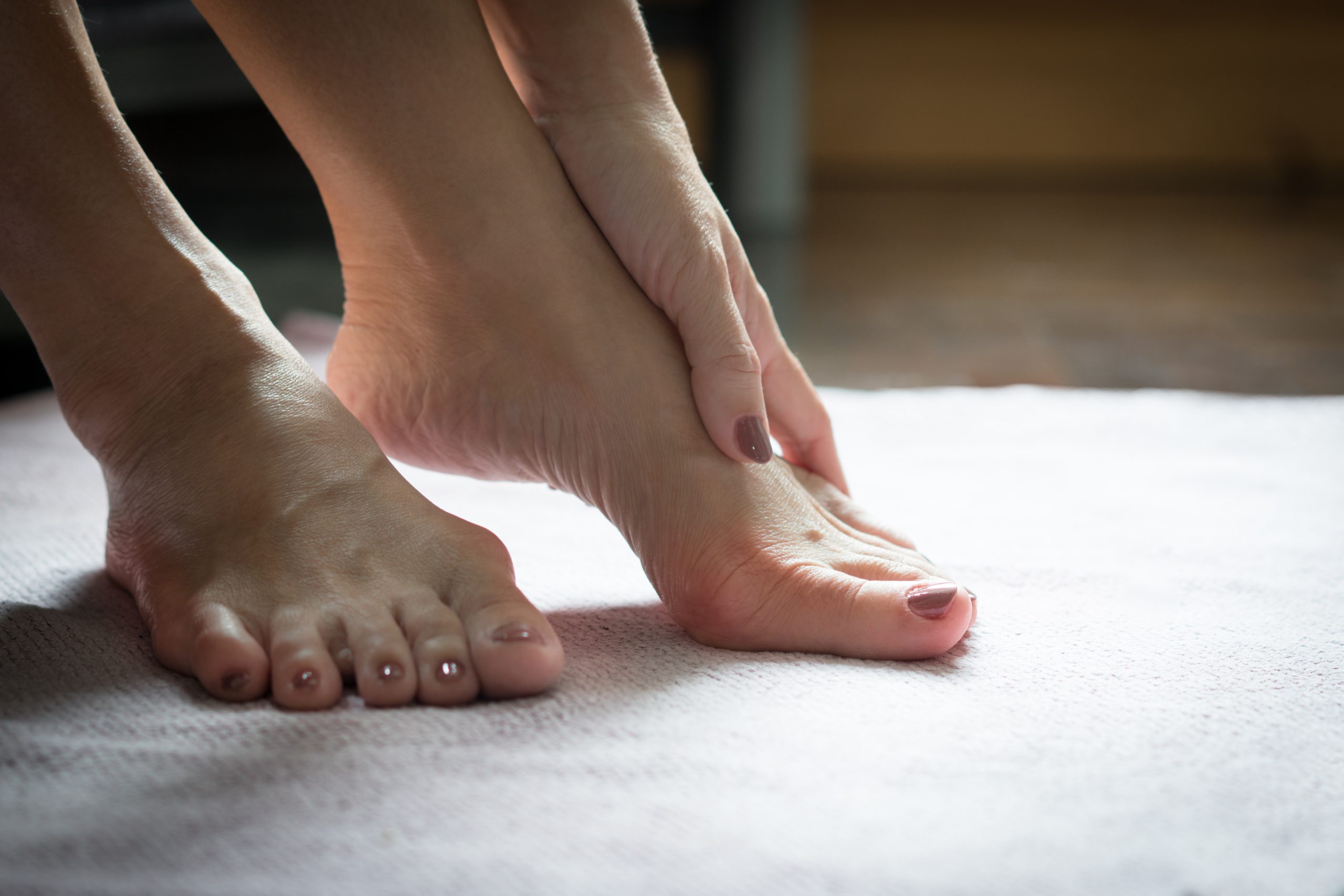
Most people recover from bunion surgery within six to eight weeks for basic daily activities, though full healing can take three to six months depending on the type of procedure performed. How Long Does It Take to Recover From Bunion Surgery? The answer depends on the surgical technique used, with minimally invasive procedures often allowing for a much faster recovery than traditional open surgery. Understanding your recovery timeline starts with knowing what kind of procedure you’re having and what to expect at each stage of healing.
Bunion surgery, or a bunionectomy, corrects the painful, bony bump that forms at the base of the big toe when the joint shifts out of alignment. Over time, this misalignment can cause pain, difficulty wearing shoes, and problems with walking. The goal is not just to remove the bump but to realign the bone, ligaments, and tendons to their proper positions — relieving pain and restoring the normal shape and function of the foot. When conservative treatments like padding, orthotics, or changes in footwear no longer provide relief, surgery becomes a viable option.
Not all bunion surgeries are the same, and the type of procedure you receive has the single largest impact on your recovery timeline. Traditional open bunionectomy involves a larger incision, more soft tissue disruption, and often requires hardware like screws or plates to hold the bone in place while it heals. These procedures generally require longer recovery periods.
Newer approaches — such as the Reverdin-Isham/Akin, SERI (Subcapital Osteotomy with and Impaction), and Bosch bunionectomy — use smaller incisions and specialized instruments to correct bone alignment with less trauma to surrounding tissue. At Elite Foot and Ankle, the proprietary NOFX8N™ (no fixation) bunionectomy is a technique designed to correct the deformity without the need for internal fixation like screws, plates, or pins. Each method is chosen based on the severity of your bunion, your foot anatomy, and your lifestyle to provide the most effective correction with the smoothest possible recovery.
The distinction between minimally invasive and traditional bunion surgery directly affects how quickly you heal. Traditional surgery typically involves incisions of 2–5 inches, significant dissection of soft tissue, and internal fixation hardware. Recovery from these procedures can take three months or longer before patients walk comfortably.
Minimally invasive bunion surgery (MIS) uses small, keyhole-sized incisions — sometimes just a few millimeters — and specialized instruments to make precise bone corrections. The NOFX8N™ technique goes a step further by eliminating hardware entirely. The benefits are substantial:
Less trauma to surrounding soft tissues
Reduced pain and swelling post-operatively
Minimal scarring
Less internal irritation without hardware
A much faster return to walking and daily activities
By focusing on these modern techniques, recovery time is often significantly reduced.
Bunion surgery is typically performed as an outpatient procedure — you go home the same day. After surgery, your foot will be bandaged, and you’ll likely be given a post-op shoe or boot to protect the surgical site and control your foot’s position as healing begins. Some degree of swelling, bruising, and discomfort is normal in the first several days. Your podiatrist will provide specific instructions about weight-bearing, bandage care, medication, and follow-up appointments.
No two patients heal at exactly the same rate. The complexity of the procedure required to correct your specific bunion is the biggest factor. A patient who undergoes a minimally invasive keyhole procedure may return to regular shoes weeks before someone who had traditional open surgery.
Several key factors influence your personal recovery timeline:
Type of procedure: Minimally invasive techniques like the NOFX8N™ bunionectomy typically allow for faster recovery than traditional open surgery.
Severity of the deformity: Larger bunions requiring more extensive correction generally need longer healing periods.
Age and overall health: Younger patients and those without chronic conditions like diabetes tend to heal more quickly. Conditions affecting circulation or immune response can slow healing.
Bone quality: The density and health of your bones impact how quickly they mend.
Adherence to post-op instructions: Following your podiatrist’s guidance about rest, elevation, and weight-bearing is the single most important thing you can do for a speedy recovery.
Use of regenerative therapies: Elite Foot and Ankle offers post-operative recovery packages that include PRP injections, laser therapy, and red light therapy panels — all designed to accelerate tissue healing.
Nutrition and lifestyle: Adequate protein intake, hydration, and avoiding smoking all support bone and soft tissue repair.
Recovery follows three overlapping phases: the inflammatory phase (first one to two weeks), the reparative phase (weeks two through six), and the remodeling phase (six weeks to several months). This timeline primarily reflects recovery from the minimally invasive procedures performed at Elite Foot and Ankle.
The first 24 to 72 hours are focused on rest and managing initial discomfort. Your primary job is to keep your foot elevated above your heart as much as possible to minimize swelling. Ice packs applied around (not directly on) the bandaged area help control inflammation. You’ll wear your surgical shoe and use crutches or a walker for stability. Pain will be managed with prescribed medication. Movement should be limited to essential activities.
Your body is in the acute inflammatory phase, and swelling will be at its peak. Keeping the foot elevated remains critical. You’ll wear the post-op shoe or boot whenever you need to stand or move, and bandages should be kept clean and dry. You’ll have your first follow-up appointment to check the incision sites and assess early healing. Many patients who undergo MIS procedures can begin bearing weight in their surgical shoe during this period — a significant advantage over traditional surgery, where swelling and discomfort during these first two weeks are often noticeably greater.
Swelling and discomfort continue to decrease noticeably. The initial acute swelling begins to subside, though some puffiness around the surgical area is still normal. Stitches or surgical tape may be removed. Depending on your progress, you may transition from the surgical boot to a supportive, wide-toed sneaker. Your activity level will gradually increase, but high-impact movements are still off-limits. We may introduce gentle range-of-motion exercises to prevent stiffness. Many patients notice a significant improvement in comfort by the end of week three.
Between weeks four and six, most patients begin transitioning from the post-op shoe to wider, supportive footwear. Bone healing has progressed enough to support more weight-bearing activity. Light daily activities like cooking, desk work, and short walks become more manageable. By weeks six through twelve, you can begin reintroducing low-impact exercises like swimming or stationary cycling, as cleared by your podiatrist. Most significant swelling should be gone, though some minor residual swelling can persist.
Patients who received the NOFX8N™ bunionectomy often reach this transition point sooner because the absence of internal hardware means less irritation and a more natural healing environment for the bone.
This phase focuses on rebuilding strength, flexibility, and confidence in the foot. Gentle stretching exercises and range-of-motion work — guided by your podiatrist — help restore normal function to the big toe joint. Some patients benefit from physical therapy. Swelling may still come and go, especially after prolonged standing or activity, but it should steadily decrease.
Elite Foot and Ankle’s post-operative recovery packages can play a meaningful role during this phase. Laser therapy treatments, available at all locations, help reduce residual inflammation and promote tissue repair. PRP injections deliver concentrated growth factors directly to the healing area, while small red light therapy panels allow patients to continue recovery support at home.
From three to six months post-surgery, the bone continues to strengthen and remodel internally even though external healing appears complete. You can typically return to more demanding activities and a wider variety of footwear. Most patients feel fully recovered for daily activities well before the six-month mark, but the bone reaches full structural maturity closer to that point. High-impact activities like running or jumping are typically the last to be cleared. Any lingering, minor swelling should be completely resolved.
Full functional recovery — meaning you can perform most daily activities without pain — is often achieved within six to twelve weeks with MIS techniques. Traditional open bunion surgery may require twelve to sixteen weeks before patients feel comfortable in regular footwear. Complete anatomical healing, where the bone is fully consolidated and all tissues have returned to their final state, is usually reached between four and six months, with some remodeling continuing up to a year.
With minimally invasive techniques such as the NOFX8N™ bunionectomy, most patients are able to walk and put weight on their foot immediately after surgery in the protective surgical shoe. Early weight-bearing is often encouraged because the bone cuts are stable enough to tolerate gentle pressure. This is a stark contrast to traditional open procedures that can require weeks of complete non-weight-bearing.
Complete bed rest is rarely necessary, but keeping time on your feet to a minimum during the first two weeks is important. For the first 48 to 72 hours, plan to rest with your foot elevated the vast majority of the day. After that, short periods of standing and walking in the post-op shoe are fine, but extended time on your feet should be avoided for at least two to three weeks. The majority of your time should be spent with your foot elevated — this is the key to a comfortable recovery.
Here’s a general guideline for common activities:
Driving can resume once you are off all prescription pain medication and can comfortably operate the pedals. If the surgery was on your left foot, this may be possible sooner. Jobs that require standing or walking may need four to six weeks of modified duty.
Walking comfortably in regular shoes is a major milestone. For those who undergo minimally invasive procedures at Elite Foot and Ankle, comfortable walking in supportive shoes is often possible within four to six weeks. Traditional surgery patients may need eight to ten weeks. Complete comfort — including the ability to walk long distances without swelling — typically arrives between two and four months.
Pain is typically most significant in the first two to three days and is managed with prescribed medication, then transitions to over-the-counter options. Many patients report that pain is milder than expected with minimally invasive techniques because there’s less tissue disruption and no hardware pressing against bone. After the first week or two, pain should steadily decrease.
Swelling is the most persistent symptom and the one that often surprises patients. It’s common for the foot to swell more at the end of the day or after periods of activity, even weeks after surgery. The most significant swelling subsides within the first few weeks, but some degree can last for several months.
Strategies to manage swelling include:
Elevating the foot above heart level whenever seated or lying down
Using ice therapy in 15- to 20-minute intervals during the first week
Wearing compression wraps or sleeves (like the Reparel sleeve included in Elite Foot and Ankle’s Advanced Post-Op Recovery Package)
Avoiding prolonged standing or walking, especially in the first month
For patients dealing with chronic pain, Elite Foot and Ankle’s laser therapy and shockwave therapy options can also help manage discomfort during the recovery process.
You’ll know your recovery is on track when you notice:
Swelling gradually decreasing week over week
Pain improving steadily (not worsening after the first few days)
Increasing range of motion in the big toe joint
The incision closing cleanly without redness or drainage
Ability to bear more weight comfortably over time
Transitioning from the post-op shoe to regular footwear within the expected timeframe
A little preparation before surgery makes the first few weeks much smoother:
Set up a recovery station with pillows to elevate your foot, a side table for water, medications, phone, remote, and snacks within arm’s reach.
Stock your kitchen with easy-to-prepare meals so you’re not standing to cook during the first week.
Clear walking paths of rugs, cords, and clutter that could cause tripping while adjusting to the post-op shoe.
Arrange help for the first few days — someone to assist with household tasks, pet care, or driving.
Purchase a shower chair or waterproof cast cover to keep your bandages dry during bathing.
Beyond basic home setup, these habits promote faster recovery:
Follow your podiatrist’s weight-bearing instructions exactly. Putting too much pressure on the foot too soon can compromise the bone correction.
Elevate, elevate, elevate. Keeping your foot above your heart is the most effective way to reduce swelling.
Use ice as directed to reduce inflammation and numb the area.
Attend every follow-up appointment. Your podiatrist needs to monitor bone healing through X-rays and physical examination at specific intervals.
Eat protein-rich foods. Bone healing requires amino acids, calcium, vitamin D, and adequate calories. Lean meats, eggs, dairy, legumes, and leafy greens all support recovery.
Stay hydrated. Proper hydration supports circulation, bringing healing nutrients to the surgical site.
Avoid smoking. Nicotine constricts blood vessels and significantly slows bone healing.
Embrace regenerative medicine. Elite Foot and Ankle offers a Basic and Advanced Post-Op Recovery Package to accelerate healing, which can include:
PRP or DPMx Injections: Regenerative amniotic injections that reduce inflammation and stimulate tissue repair.
Laser Therapy: Post-operative laser treatments that decrease pain and swelling and speed up cellular repair.
RedVive Red Light Therapy: A small red light panel for at-home use to further reduce inflammation and promote healing — a key benefit for managing red light therapy.
While some discomfort and swelling are expected, certain symptoms warrant an immediate call to your podiatrist’s office:
Fever above 101°F or chills
Sudden increase in pain that isn’t relieved by elevation and medication
Excessive redness, warmth, or streaking around the incision site
Drainage, pus, or foul odor from the wound
Numbness or tingling that wasn’t present before surgery
Calf pain, tenderness, or swelling, which could indicate a blood clot
Feeling that the toe has shifted or something “gave way”
Your safety and health are our foremost concern. Elite Foot and Ankle patients can reach the office at 503-639-8107 or book an appointment online if they have concerns during recovery.
How Long Does It Take to Recover From Bunion Surgery? For most patients, the answer falls between six weeks and six months, depending heavily on the surgical technique used. Minimally invasive approaches — including the NOFX8N™ (no fixation) bunionectomy, keyhole techniques, and Bosch bunionectomy performed at Elite Foot and Ankle — generally allow patients to return to daily activities significantly faster than traditional open surgery. By following your podiatrist’s post-op instructions, attending follow-up visits, supporting your body with proper nutrition and rest, and taking advantage of regenerative therapies like laser treatment, PRP injections, and red light therapy, you give yourself the strongest foundation for a smooth and complete recovery.

About the Author
Daniel McManus, DPM
Check Your Insurance Coverage
Testimonials
I can't recommend them enough!

June 10, 2026